Briefing
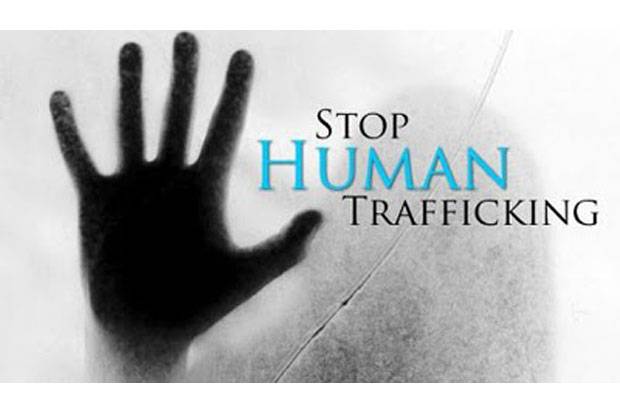
Human trafficking remains one of the most serious forms of transnational organized crime and a grave violation of human rights. In Somalia, trafficking has been facilitated by prolonged armed conflict, internal displacement, poverty, weak institutional capacity, and the activities of organized criminal networks. While the Provisional Constitution of the Federal Republic of Somalia (2012) prohibits trafficking under Article 14 and guarantees special protection for children under Article 29, and the Penal Code criminalizes related offences such as slavery, forced labour, and compelling a person to engage in prostitution, these provisions are dispersed and do not establish a comprehensive anti-trafficking regime.
The Draft Bill on Combating Human Smuggling and Trafficking in Persons represents Somalia’s first dedicated legislative framework specifically addressing trafficking in persons as an independent criminal offence. Drawing substantially from the Protocol to Prevent, Suppress and Punish Trafficking in Persons, Especially Women and Children (Palermo Protocol), the Draft Bill modernizes Somalia’s legal response by providing comprehensive definitions, establishing distinct trafficking offences, strengthening victim protection, and distinguishing trafficking from migrant smuggling.
Establishing a Comprehensive Legal Definition
One of the Draft Bill’s most significant legal innovations appears in Article 2, which provides a comprehensive definition of trafficking in persons. The provision defines trafficking as the recruitment, transportation, transfer, harbouring, or receipt of persons through threats, force, coercion, abduction, fraud, deception, abuse of power, abuse of a position of vulnerability, or the giving or receiving of payments or benefits for the purpose of exploitation.
Unlike the existing Penal Code, which criminalizes individual forms of exploitation without defining trafficking itself, Article 2 adopts the internationally recognized three-element structure of trafficking consisting of the prohibited act, the prohibited means, and the purpose of exploitation. Equally important is the broad definition of exploitation, which includes slavery, slavery-like practices, forced labor, sexual exploitation, child labor, forced marriage, child marriage, forced begging, organ removal, recruitment into armed conflict, recruitment for terrorism, and compelling victims to engage in criminal activities. By incorporating these forms of exploitation, the Draft Bill reflects the contemporary understanding of trafficking under international law.
The same provision also distinguishes trafficking in persons from migrant smuggling by defining migrant smuggling as facilitating the unlawful entry of a person into a State for financial or material benefit. This distinction is legally significant because trafficking is fundamentally an offence of exploitation, whereas migrant smuggling concerns the unlawful movement of persons across international borders.
Criminalizing Trafficking as a Distinct Offence
Article 5 establishes trafficking in persons as an independent criminal offence. It criminalizes any person who knowingly recruits, transports, transfers, harbours, or receives another person for the purpose of exploitation through force, threats, coercion, fraud, deception, abuse of power, or abuse of vulnerability.
The provision expressly states that the consent of the victim is legally irrelevant whenever any prohibited means have been employed. This reflects one of the core principles of the Palermo Protocol by preventing traffickers from relying upon apparent consent obtained through coercion or deception. Furthermore, where the victim is a child, Article 5 provides that proof of coercion or any other prohibited means is unnecessary. The trafficking of a child is therefore established by proof of the prohibited act and the exploitative purpose alone, recognizing that children cannot legally consent to their own exploitation.
The severe penalties prescribed under Article 5, including imprisonment of twenty to twenty-five years and life imprisonment where trafficking results in the removal of organs, demonstrate the seriousness with which the Draft Bill treats trafficking offences.
Strengthening the Protection of Children
The Draft Bill provides enhanced protection for children through Article 6, which creates a separate offence of child trafficking. The provision criminalizes placing, offering, or arranging the placement of a child with another person for exploitative purposes, including forced marriage, recruitment into armed groups, the use of child soldiers, and other forms of exploitation.
This provision represents an important legislative development because it recognizes the heightened vulnerability of children and imposes significantly enhanced penalties, including life imprisonment for principal offenders responsible for trafficking children. In doing so, the Draft Bill reinforces Somalia’s constitutional commitment to protecting children and strengthens compliance with international child protection standards.
A Victim-Centered Approach
A notable strength of the Draft Bill is its emphasis on victim protection.
Article 15 establishes the principle of non-punishment by providing that victims of trafficking shall not be prosecuted for offences arising directly from their trafficking, including offences relating to their unlawful presence in Somalia. The provision further requires competent authorities to verify a victim’s identity, age, and personal circumstances during investigations and criminal proceedings to ensure that trafficked persons are recognized as victims rather than offenders.
The protection afforded under Article 15 is reinforced by Article 16, which requires the establishment of comprehensive assistance programmes for victims. These include appropriate shelter, medical treatment, psychosocial support, legal assistance, reintegration services, repatriation assistance, and temporary residence during criminal proceedings. The provision also permits victims to engage in lawful employment while remaining in Somalia, thereby promoting recovery, dignity, and social reintegration.
Together, Articles 15 and 16 demonstrate a significant shift towards a victim-centered legal framework consistent with internationally recognized human rights standards.
Distinguishing Trafficking from Migrant Smuggling
The Draft Bill further strengthens Somalia’s legal framework by clearly distinguishing trafficking in persons from migrant smuggling.
Article 19 criminalizes the smuggling of persons undertaken for financial or material benefit through the facilitation of unlawful international border crossings. Recognizing that smuggled persons may themselves become vulnerable to exploitation, Article 23 provides that victims of smuggling shall not be punished for the offence of smuggling but shall instead be recognized as victims.
To address organized criminal activity, Article 24 criminalizes the establishment, management, or membership of organized criminal groups engaged in migrant smuggling. These provisions reflect the distinction adopted by the United Nations Convention against Transnational Organized Crime and its supplementary protocols, ensuring that trafficking and migrant smuggling are treated as legally distinct offences requiring different responses.
Finally, the Draft Bill on Combating Human Smuggling and Trafficking in Persons marks an important milestone in the development of Somalia’s anti-trafficking legislation. Through Article 2, it adopts a comprehensive international definition of trafficking; Article 5 establishes trafficking as a distinct criminal offence; Article 6 strengthens legal protection for children; Articles 15 and 16 introduce a robust victim-centered framework; and Articles 19, 23, and 24 distinguish trafficking from migrant smuggling while strengthening measures against organized criminal groups.
Collectively, these provisions modernize Somalia’ s legal framework and provide a stronger legal foundation for preventing trafficking, prosecuting offenders, protecting victims, and fulfilling Somalia’s obligations under the Palermo Protocol and other international human rights instruments. If effectively implemented, the Draft Bill has the potential to become a cornerstone of Somalia’s efforts to combat trafficking in persons while reinforcing the protection of human dignity, the rule of law, and fundamental human rights.
No comment